


Last reviewed October 2026
Key figures
Who buys medicines
Saudi demand runs through three main channels. Most manufacturers need to reach all three, and the largest buyer is the government.
Public hospitals in health clusters
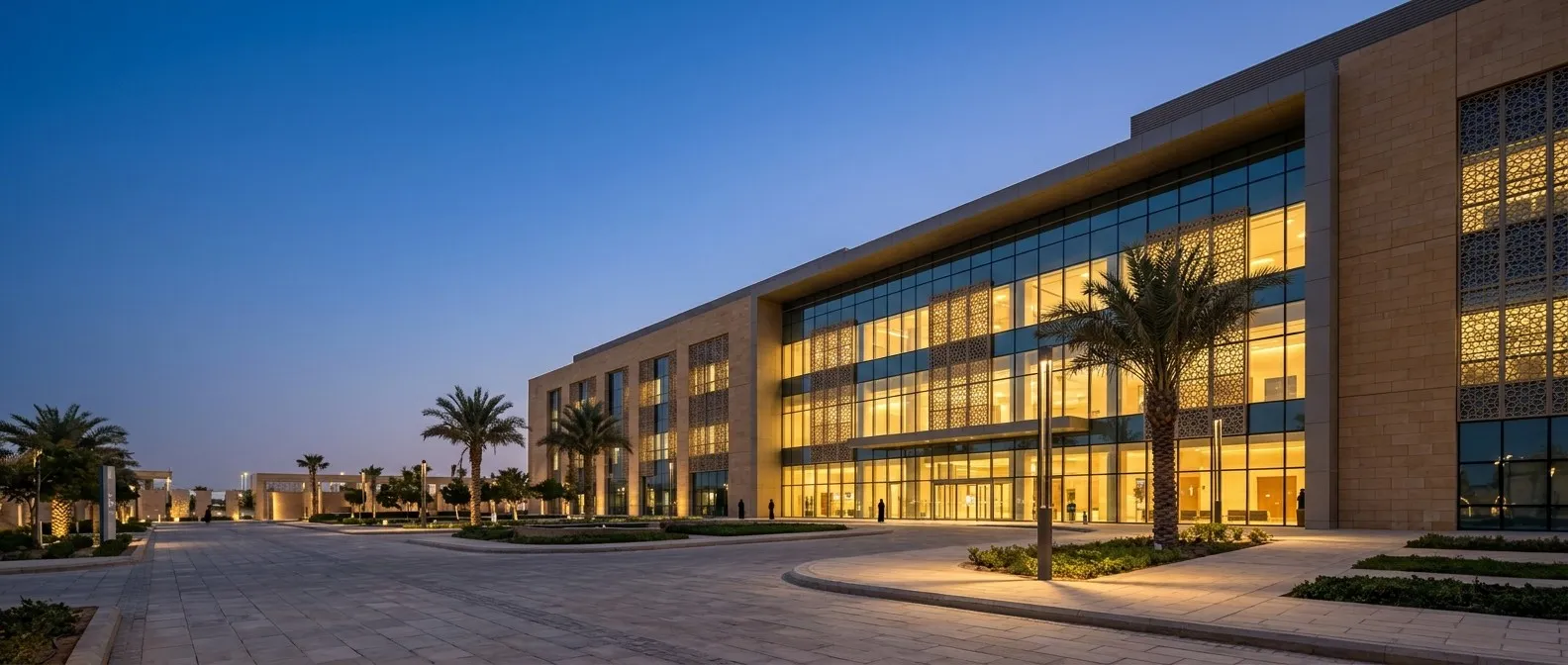
Public healthcare is being organised into regional health clusters run by the Health Holding Company. The Ministry of Health reported the transition taking effect from 1 January 2026.[4]
Private hospitals and pharmacies
Private hospital groups and pharmacy chains buy through licensed local distributors.
Route to market
What a foreign manufacturer needs in place before a product can be sold in the Kingdom.
- 01
SFDA marketing authorisation
Every medicine needs a Saudi Food and Drug Authority marketing authorisation. The application is made by a licensed local company acting for the manufacturer.
- 02
Reliance pathways
Products already approved by the US FDA or the European Medicines Agency can use SFDA reliance routes, with target reviews of up to 30 working days (verification) or 60 working days (abridged). Actual timelines vary by product.[7]
- 03
Arabic labelling
Patient information leaflets and pack artwork are submitted in Arabic as well as English.
- 04
Pharmacovigilance
Marketed products need a local system for collecting and reporting adverse events, with a qualified person in the Kingdom.
- 05
Tender qualification
To reach public hospitals, a registered product is offered in NUPCO or hospital tenders by a qualified local supplier.[6]
Policy direction
Vision 2030 is the Kingdom's long-term plan to diversify its economy. Its Health Sector Transformation Program is reorganising public healthcare into regional health clusters under the Health Holding Company, widening access and opening more of the sector to private participation.[4]
The Ministry of Health describes localising pharmaceutical manufacturing as a top priority of the program. One example is the 2023 agreement between NUPCO, Sudair Pharma and Sanofi to manufacture insulin in the Kingdom.[5]
For manufacturers, this points to sustained public spending, more structured procurement, and growing weight on local presence, which a licensed Saudi partner provides from the first registration.
Entering the market with a local partner
Each requirement above needs a licensed company in the Kingdom. This is how Pharma Solutions covers them.

- Registration held locallyWe act as your licensed local applicant with the SFDA and hold the registration for its whole life.
- Access to public tendersQualified to offer your products in NUPCO and hospital tenders.
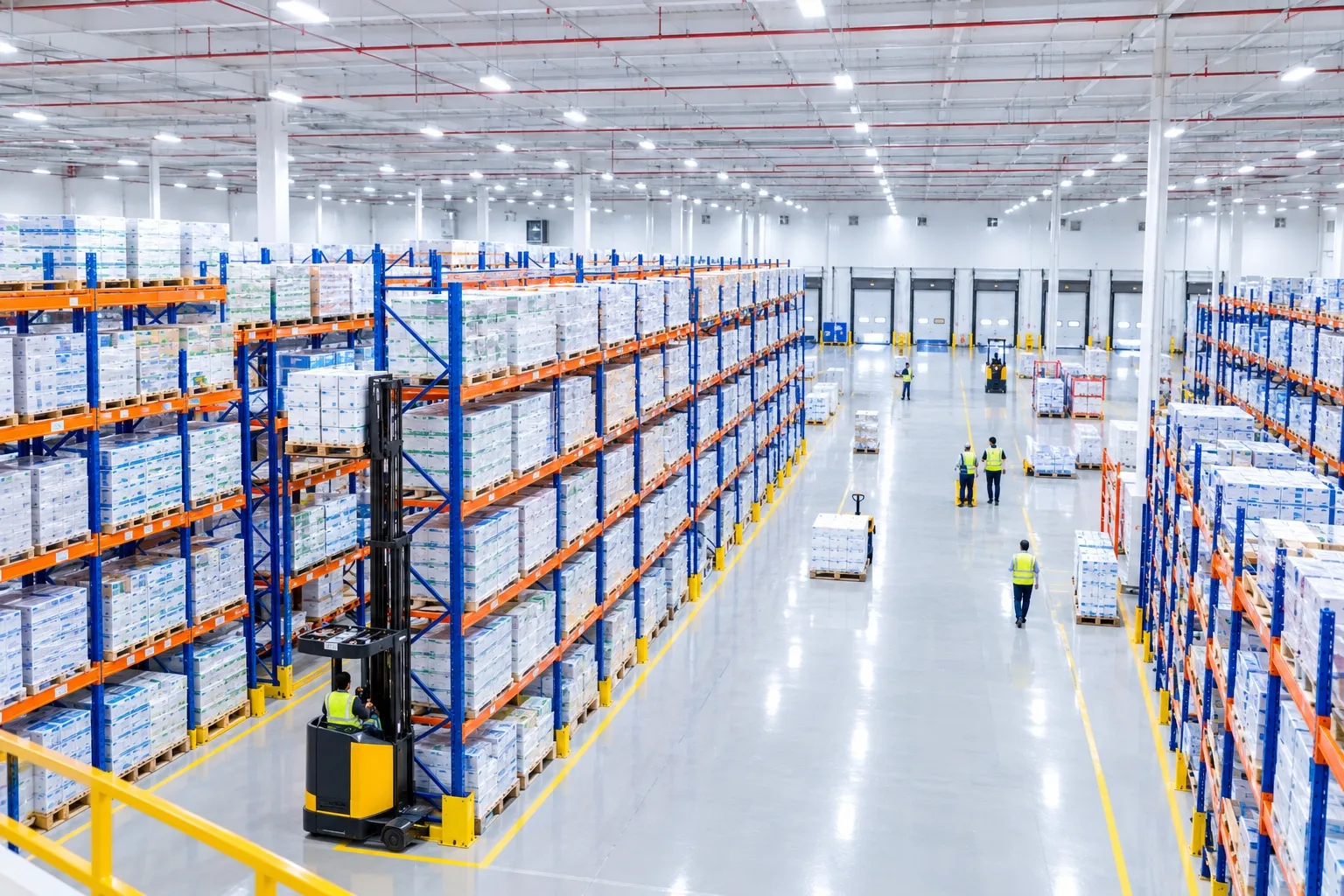
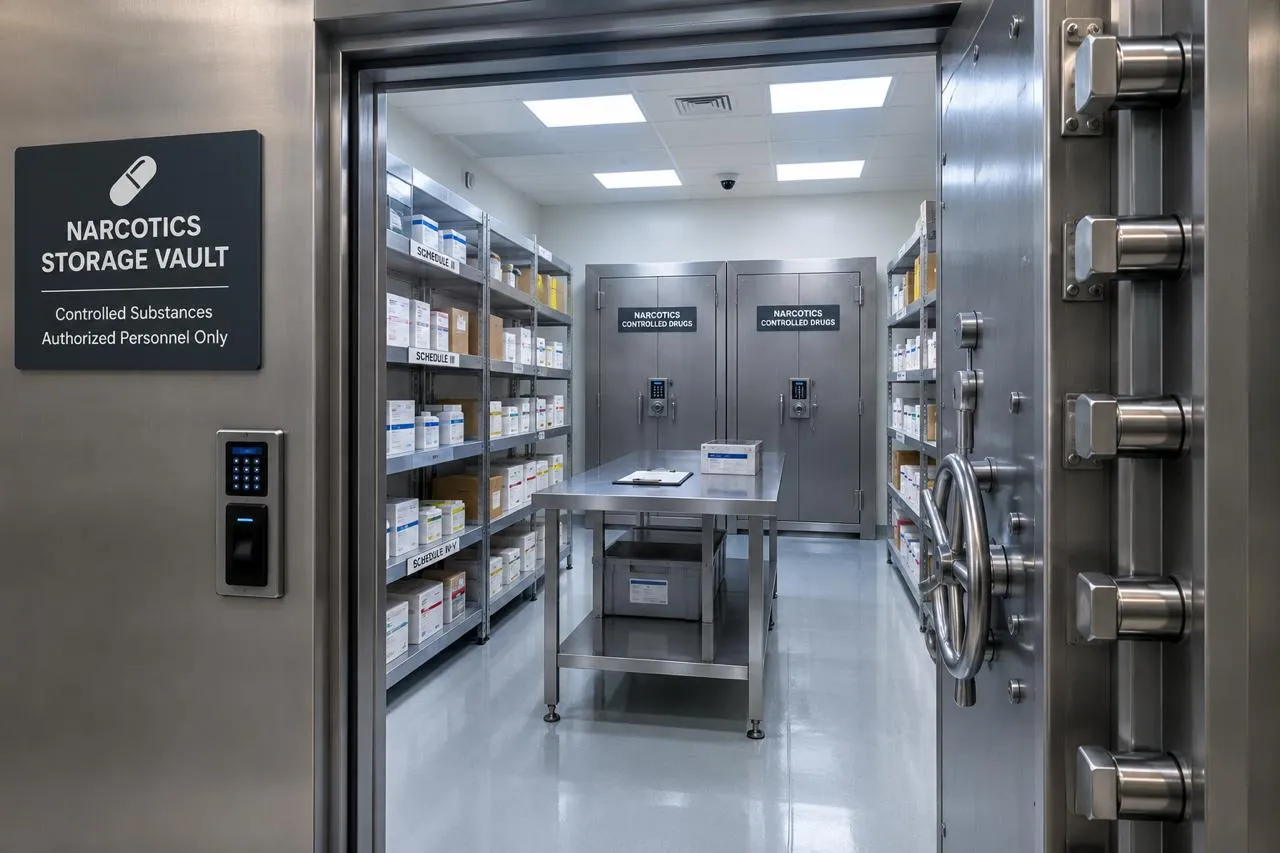
- Licensed storage and deliverySFDA-licensed warehousing in Riyadh and Jeddah, 2–8 °C cold chain and a narcotics-approved vault.
- Safety obligations coveredA local pharmacovigilance function and scientific office from launch.
Sources
- [1]US International Trade Administration, Saudi Arabia Country Commercial Guide: Healthcare, 2026.
- [2]General Authority for Statistics (GASTAT), Census 2022 results (as tabulated by the Gulf Research Center, GLMM), 2023.
- [3]Ministry of Finance, reported by Argaam, 2026 state budget: allocations by sector, 2025.
- [4]Ministry of Health, Transition of health clusters to the Health Holding Company, 2026.
- [5]Ministry of Health, Insulin localisation agreement between NUPCO, Sudair Pharma and Sanofi, 2023.
- [6]National Unified Procurement Company, About NUPCO, undated.
- [7]Journal of Pharmaceutical Policy and Practice 19(1), The Saudi FDA drug evaluation timeline in comparison with international counterparts, 2026.
Figures are from the sources listed and may have changed since publication. Last reviewed October 2026.